


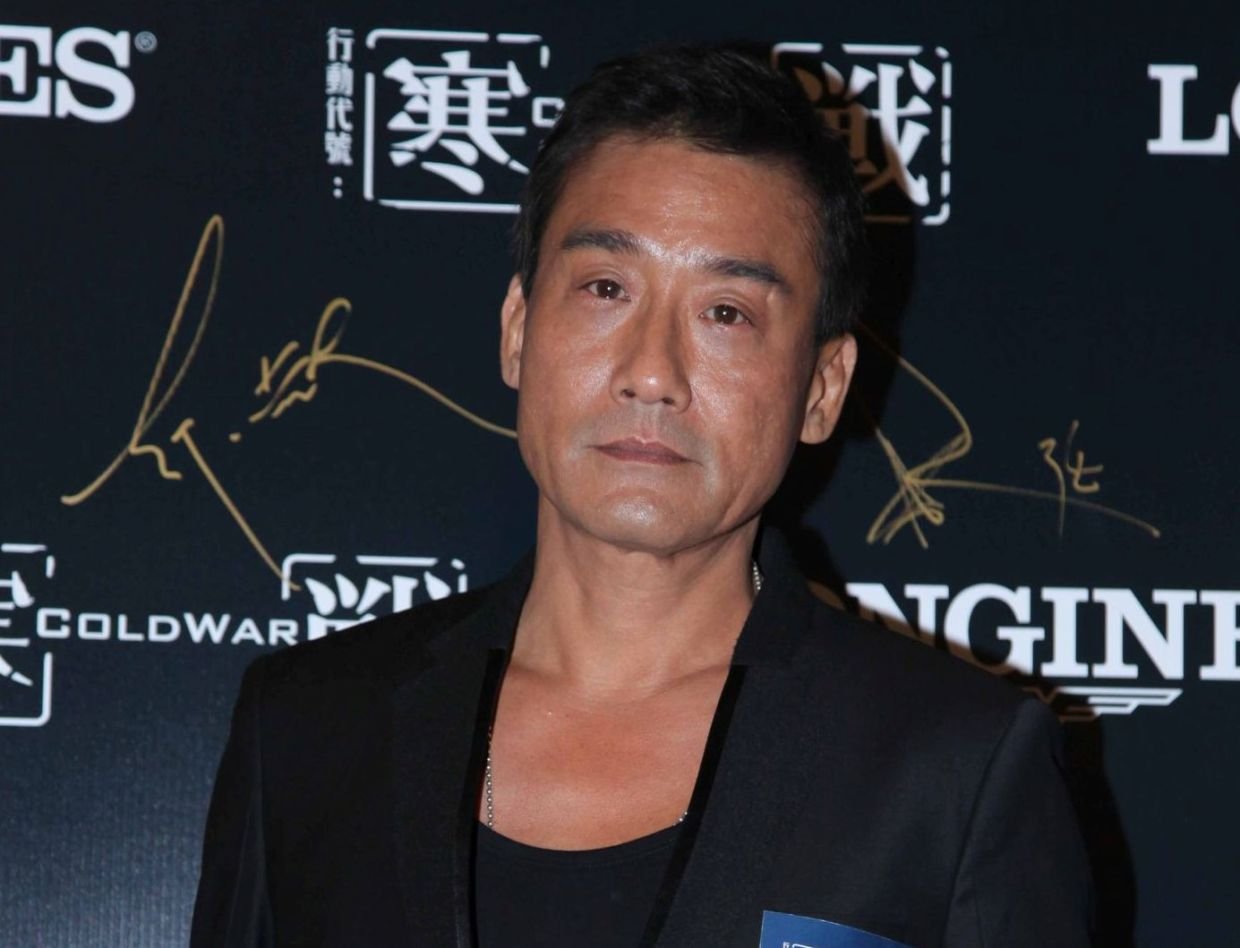
Tony Leung Ka-fai is one of the most respected actors in Hong Kong cinema, known for his remarkable versatility, thoughtful performances, and ability to bring complex characters to life. Over a career spanning more than four decades, he has appeared in historical dramas, crime thrillers, romantic films, comedies, and action movies. His work has earned him widespread recognition and multiple major acting awards.
Born in Hong Kong on February 1, 1958, Tony Leung Ka-fai built his reputation through talent, dedication, and a willingness to take on very different roles. From his breakthrough in the historical film Reign Behind a Curtain to his acclaimed performance in Election, he has continued to demonstrate why he remains an important figure in Chinese-language cinema.
His career is also notable for its international reach. He has worked with filmmakers across different countries and film industries, showing that a strong performance can connect with audiences beyond language and cultural boundaries.
BIO
| Label | Information |
|---|---|
| Full Name | Tony Leung Ka-fai |
| Chinese Name | 梁家輝 (Liang Jiahui) |
| Date of Birth | February 1, 1958 |
| Age | 68 years (as of 2026) |
| Birthplace | Hong Kong |
| Nationality | Hong Kong Chinese |
| Profession | Actor |
| Industry | Hong Kong Cinema |
| Education | Hong Kong Polytechnic |
| Acting Debut | Early 1980s |
| Breakthrough Film | Reign Behind a Curtain (1983) |
| Famous Movies | The Lover, Election, Cold War |
| Major Achievement | Five Hong Kong Film Awards for Best Actor, as of 2026 |
Who Is Tony Leung Ka-fai?
Tony Leung Ka-fai is a Hong Kong actor whose Chinese name is Liang Jiahui. He is widely recognised for his ability to move naturally between dramatic, comic, historical, and crime-related roles. Rather than becoming associated with a single type of character, he has developed a career built on variety and careful characterisation.
He first gained major attention in the early 1980s and quickly became a familiar face in Hong Kong films. His performances often feature a combination of confidence, emotional restraint, and subtle expression. Whether playing a historical ruler, a troubled individual, or a powerful figure in a crime drama, he gives each character a distinct personality.
Tony Leung Ka-fai is sometimes confused with another famous Hong Kong actor, Tony Leung Chiu-wai. Although they share the same English name, they are different people with separate careers and filmographies. Tony Leung Ka-fai is often nicknamed “Big Tony,” while Tony Leung Chiu-wai is known as “Little Tony.”
Early Life and Education
Tony Leung Ka-fai was born and raised in Hong Kong, a city that developed into one of Asia’s most influential film centres during the twentieth century. Its film industry offered opportunities for performers to work across a wide range of genres, including martial arts, comedy, historical drama, and crime cinema.
Before entering the acting profession, Leung studied advertising design at Hong Kong Polytechnic. This background gave him experience in a creative field, although his professional path eventually led him toward performance and filmmaking.
In 1981, he enrolled in the performing artist training programme at Television Broadcasts Limited, commonly known as TVB. The programme provided a route into Hong Kong’s entertainment industry and helped aspiring performers develop practical skills.
His early experiences were important because they introduced him to the professional demands of acting. Learning how to interpret characters, work with directors, and perform for a camera provided a foundation for the film career that followed.
Leung’s transition from design studies to acting also illustrates that creative careers do not always follow a straight path. His eventual success came through opportunities, preparation, and his ability to adapt to different projects.
How His Acting Career Began
Tony Leung Ka-fai’s early career took a major turn in 1982, when filmmaker Li Han-hsiang selected him to portray the Xianfeng Emperor in two historical productions: The Burning of the Imperial Palace and Reign Behind a Curtain. Both films were released in 1983.
These projects gave the young actor an opportunity to work in large-scale period productions. Historical roles require performers to communicate a character’s position, personality, and emotions within a setting shaped by another time and culture. Leung’s performance demonstrated that he could handle this responsibility early in his career.
His work in Reign Behind a Curtain proved especially important. The performance earned him the Hong Kong Film Award for Best Actor at the third edition of the ceremony in 1984. Winning such a major honour near the beginning of his film career helped establish him as a serious actor.
The achievement was significant because it showed that Leung was not simply another newcomer entering a busy industry. He had already demonstrated the ability to carry a demanding film role and earn professional recognition.
Breakthrough and Early Recognition
Although his award-winning historical performance brought him attention, Tony Leung Ka-fai’s career continued to develop through a broad selection of films. He did not remain limited to historical characters or period dramas. Instead, he gradually explored modern stories and different forms of storytelling.
One of the important films from this period was Prison on Fire (1987), directed by Ringo Lam and featuring Chow Yun-fat. The film explored relationships, survival, and conflict within a prison environment. It became a significant entry in Hong Kong crime cinema and helped strengthen Leung’s reputation.
Leung’s role demonstrated his ability to work in a contemporary setting and portray a character shaped by pressure and difficult circumstances. His performance helped audiences see another side of his abilities beyond historical productions.
He continued expanding his range in the late 1980s and early 1990s. Rather than relying on one successful formula, he moved between dramatic stories, action films, comedies, and more ambitious productions. This willingness to experiment became one of the defining characteristics of his career.
Tony Leung Ka-fai’s Most Famous Movies
The filmography of Tony Leung Ka-fai includes many notable productions. Some became popular with mainstream audiences, while others earned recognition for their artistic ambition or complex storytelling.
Reign Behind a Curtain (1983)
Reign Behind a Curtain remains one of the most important films in Leung’s early career. Directed by Li Han-hsiang, the historical drama helped introduce him to a wider audience and earned him his first Hong Kong Film Award for Best Actor.
The film’s period setting required him to portray a historical figure rather than an ordinary contemporary character. His success in the role established a strong foundation for his future work and demonstrated his suitability for demanding dramatic performances.
Prison on Fire (1987)
Directed by Ringo Lam, Prison on Fire is an influential Hong Kong crime drama featuring Tony Leung Ka-fai and Chow Yun-fat. The story examines the relationships and conflicts that develop in a harsh institutional environment.
The film is remembered for its emotional intensity and strong performances. Leung’s participation also helped establish his reputation in modern crime dramas, a genre that would become an important part of his career.
The Lover (1992)
One of Tony Leung Ka-fai’s most internationally recognised films is The Lover, directed by Jean-Jacques Annaud and based on the novel by Marguerite Duras. The French production brought him to a broader international audience.
Set in colonial-era French Indochina, the film explores a complicated relationship against a background of cultural differences and social divisions. Leung’s performance required sensitivity to the story’s emotional tensions and historical setting.
The film introduced his work to viewers who might not otherwise have encountered Hong Kong cinema. It also demonstrated that his acting could translate across different filmmaking traditions.
Election (2005)
Election, directed by Johnnie To, is among the most acclaimed crime films in Tony Leung Ka-fai’s career. The story centres on an organised crime group and the internal struggle surrounding the selection of its next leader.
Leung plays a powerful figure whose behaviour combines authority, calculation, and unpredictability. His performance helps create the film’s tense atmosphere, where personal ambition and group loyalty constantly compete.
The role earned him another Hong Kong Film Award for Best Actor and strengthened his standing as a performer capable of handling morally complicated characters.
The film’s importance extends beyond its crime story. It explores leadership, tradition, power, and the consequences of ambition, giving the actors challenging material to work with.
Election 2 (2006)
The follow-up, Election 2, continues the story of criminal organisations and the struggle for control. Tony Leung Ka-fai returns to the world established in the first film, helping deepen the larger narrative.
The sequel builds on the themes of loyalty, authority, and the personal cost of power. His performance is a reminder of how effectively he can portray characters who remain difficult to understand or predict.
For viewers interested in Hong Kong crime cinema, the two Election films offer an excellent opportunity to appreciate his dramatic range.
Cold War (2012)
Cold War, directed by Longman Leung and Sunny Luk, is a police thriller centred on an emergency involving the Hong Kong Police Force. Its story combines institutional politics, questions of responsibility, and a tense investigation.
Leung’s performance helped give the film a strong dramatic centre. The character-driven approach allows the story to explore disagreements and competing priorities within a major public institution.
His work in the film earned him another Hong Kong Film Award for Best Actor in 2013. The film also became a significant example of his ability to remain compelling in contemporary thrillers.
Cold War 2 (2016)
The sequel expanded the political and personal conflicts introduced in Cold War. Tony Leung Ka-fai returned to the story alongside a cast of established Hong Kong performers.
The film places greater emphasis on competing interests, investigations, and the consequences of earlier decisions. Its complex plot requires the actors to communicate tension through dialogue, facial expression, and carefully controlled performances.
Leung’s return helped maintain continuity between the two films and further demonstrated his strength in stories involving authority and difficult choices.
Other Notable Films
Beyond these well-known titles, Tony Leung Ka-fai has appeared in numerous productions that reveal different aspects of his talent.
- Ashes of Time (1994): A distinctive martial arts drama directed by Wong Kar-wai.
- He Ain’t Heavy, He’s My Father (1993): A Hong Kong comedy-drama that demonstrates his lighter side.
- Double Vision (2002): A thriller that introduced him to another type of suspense-driven story.
- Throw Down (2004): A film directed by Johnnie To that blends martial arts, personal struggle, and human relationships.
- The Drummer (2007): A drama associated with a different cultural and musical environment.
- Bodyguards and Assassins (2009): A historical action film featuring a large ensemble cast.
- The Taking of Tiger Mountain (2014): An action-adventure film based on a well-known Chinese story.
- Our Time Will Come (2017): A historical drama directed by Ann Hui.
Together, these films show how Leung has continued to explore different genres rather than limiting himself to a narrow range of roles.
Tony Leung Ka-fai’s Acting Style
One of the strongest features of Tony Leung Ka-fai’s career is his versatility. Some actors become closely associated with a particular genre, but Leung has repeatedly shown that he can adapt to very different stories and characters.
In historical films, he can convey authority and the weight of responsibility. In crime dramas, he often brings a sense of calculation and inner conflict to characters who hold positions of power. In comedies, he can shift toward lighter expressions and more relaxed performances without losing his natural screen presence.
His acting is often effective because he does not need to rely entirely on dramatic speeches. Small changes in expression, pauses during conversations, and controlled movements can communicate what a character is thinking. This approach works particularly well in stories where people conceal their intentions or struggle with conflicting loyalties.
Another important strength is his willingness to accept different kinds of roles. From independent productions to major commercial films, he has worked across a broad range of projects. This variety has helped him remain relevant to audiences with different tastes.
Awards and Career Achievements
Tony Leung Ka-fai’s career has been recognised through major film awards in Hong Kong and elsewhere in Asia. His achievements reflect his long-standing contribution to the film industry and his ability to deliver performances that connect with critics and audiences.
His first major breakthrough came with Reign Behind a Curtain, which earned him the Hong Kong Film Award for Best Actor in 1984. He later received further recognition for Farewell China (1990), 92 The Legendary La Rose Noire (1992), Election (2005), and Cold War (2012).
His performance in Election was particularly important because it showed how effectively he could portray a character whose authority is mixed with ambition and uncertainty. His success with Cold War further demonstrated his ability to lead a modern thriller.
In 2026, Leung won his fifth Hong Kong Film Award for Best Actor for The Shadow’s Edge (2025). This achievement placed him among the most celebrated performers in the history of the awards and made him the first actor to win the category across five consecutive decades.
His recognition extends beyond the Hong Kong Film Awards. He has also received honours and nominations at other Asian film award ceremonies, including the Golden Horse Awards. These achievements reflect the broad reach of his work across Chinese-language cinema.
Awards alone cannot measure an actor’s contribution, but Leung’s record illustrates the consistency of his performances over a long career. He has continued to attract recognition while working in genres that demand very different skills.
Personal Life and Family
Tony Leung Ka-fai has generally maintained a distinction between his professional career and his family life. Although his work has kept him in the public eye for decades, he has not built his public identity solely around celebrity appearances.
He is married to Jiang Jianian, and they have twin daughters. His family life has largely remained separate from the publicity surrounding his films, allowing his acting work to remain the main focus of his public profile.
For a performer who has spent so many years in a demanding industry, maintaining a private life can be important. Filming schedules, promotional events, and professional commitments often require significant time and attention. Keeping some aspects of family life out of public discussion can help preserve a sense of normality.
Reliable biographies and interviews are the best sources for details about his family. Personal information should be treated carefully, particularly when it concerns relatives who do not regularly appear in the entertainment industry.
Net Worth and Professional Success
Tony Leung Ka-fai has built a long career through film acting and related professional work. His filmography includes productions from Hong Kong, mainland China, Taiwan, and international filmmaking environments, reflecting the breadth of opportunities he has pursued.
However, his exact net worth is not reliably established through publicly verified financial statements. Figures published by celebrity websites should therefore be treated as estimates rather than confirmed amounts.
An actor’s financial position can depend on several factors, including film salaries, contracts, endorsements, investments, and other business arrangements. Without verified information, it is difficult to calculate these figures accurately.
Leung’s professional success is easier to assess through his body of work. His continued involvement in major productions, repeated award recognition, and ability to take on varied characters provide clear evidence of his standing in the entertainment industry.
His career also demonstrates that longevity is an achievement in itself. Remaining active over several decades requires adaptation as filmmaking techniques, audience expectations, and the business of cinema change.
His Influence on Hong Kong Cinema
Hong Kong cinema has developed a distinctive international reputation through its crime films, action productions, comedies, and inventive storytelling. Tony Leung Ka-fai has contributed to this tradition by working in films that represent many of these different approaches.
His performances in Prison on Fire and Election are particularly relevant to the history of Hong Kong crime cinema. These films explore more than external conflict. They examine relationships, social structures, ambition, and the ways people respond when their authority or security is challenged.
His historical and dramatic work demonstrates another side of the industry. Productions such as Reign Behind a Curtain and The Lover show how Hong Kong actors can work within stories shaped by different periods, cultures, and filmmaking traditions.
Leung’s career also reflects the importance of collaboration. Directors, screenwriters, cinematographers, editors, and fellow performers all contribute to the finished film. His ability to work in different creative environments has allowed him to become part of a varied body of cinema rather than being defined by one director or style.
For younger performers and film enthusiasts, his filmography provides an opportunity to study how acting can change according to genre and storytelling needs. His career shows the value of flexibility, experience, and a willingness to approach each character on its own terms.
Tony Leung Ka-fai’s Recent Work
Tony Leung Ka-fai has continued to attract attention through more recent film projects. One notable example is The Shadow’s Edge (2025), a crime thriller featuring Jackie Chan and other performers. The film brought Leung to the attention of audiences interested in contemporary action and suspense cinema.
His performance earned him the Hong Kong Film Award for Best Actor in 2026. The win was particularly significant because it added another major achievement to a career that had already lasted more than forty years.
This recognition also illustrates how an established actor can continue finding meaningful opportunities in a changing industry. New productions introduce different audiences to his work, while long-time fans can appreciate how his screen presence has developed over time.
When following his latest projects, readers should distinguish between films that have been released, productions that are officially announced, and projects that remain in development. This is especially important when film databases and entertainment news sites publish changing release information.
Interesting Facts About Tony Leung Ka-fai
Tony Leung Ka-fai’s career includes several details that help explain his lasting importance in cinema.
- He studied advertising design: Before becoming an actor, he attended Hong Kong Polytechnic and studied a creative subject outside acting.
- His film career began with historical roles: His early work in The Burning of the Imperial Palace and Reign Behind a Curtain helped establish his reputation.
- He won a major acting award early: His first Hong Kong Film Award for Best Actor came near the beginning of his film career.
- He has worked across multiple genres: His credits include period dramas, romantic films, comedies, thrillers, and crime stories.
- He reached international audiences: The Lover introduced his work to viewers beyond the Hong Kong film market.
- He has collaborated with leading Hong Kong filmmakers: His career includes work with directors such as Johnnie To and Wong Kar-wai.
- He is distinct from Tony Leung Chiu-wai: The two actors share a familiar English name but have separate careers and filmographies.
- He has won five Hong Kong Film Awards for Best Actor: His 2026 victory for The Shadow’s Edge added to his long record of recognition.
These facts reveal a career shaped by both early achievement and long-term professional development. His story is not simply about one successful film, but about repeatedly finding new opportunities to demonstrate his abilities.
Frequently Asked Questions
How old is Tony Leung Ka-fai?
Tony Leung Ka-fai was born on February 1, 1958. As of October 2026, he is 68 years old. His career in film began in the early 1980s, giving him more than four decades of experience in the entertainment industry.
What is Tony Leung Ka-fai best known for?
He is best known for his versatile acting and performances in films such as Reign Behind a Curtain, The Lover, Election, and Cold War. His ability to portray historical figures, complicated crime characters, and contemporary professionals has helped establish his reputation.
Is Tony Leung Ka-fai the same actor as Tony Leung Chiu-wai?
No. Tony Leung Ka-fai and Tony Leung Chiu-wai are two different Hong Kong actors. Both have enjoyed successful careers, but they have appeared in different films and received recognition for their own performances. Checking the full name is the easiest way to distinguish them when searching for movies.
What are Tony Leung Ka-fai’s most famous movies?
Some of his best-known films include Reign Behind a Curtain (1983), Prison on Fire (1987), The Lover (1992), Ashes of Time (1994), Election (2005), Cold War (2012), and The Shadow’s Edge (2025). Each offers a different view of his acting range.
How many Hong Kong Film Awards for Best Actor has he won?
Tony Leung Ka-fai has won five Hong Kong Film Awards for Best Actor, with his latest win coming in 2026 for The Shadow’s Edge. His previous wins recognised performances in Reign Behind a Curtain, 92 The Legendary La Rose Noire, Election, and Cold War.
Is Tony Leung Ka-fai still acting?
He remains an established figure in the film industry. His appearance in The Shadow’s Edge and his 2026 award win demonstrate his continued professional relevance. For the most accurate information about future projects, it is best to check official film announcements and reliable entertainment reporting.
Conclusion
Tony Leung Ka-fai’s life and career tell the story of an actor who has continued to grow through experience, variety, and dedication to his profession. From his early success in Reign Behind a Curtain to his widely recognised performances in The Lover, Election, and Cold War, he has demonstrated an impressive ability to adapt to different characters and styles of filmmaking.
His career stands out not only because of his awards but also because of the range of stories he has helped bring to the screen. Historical dramas, contemporary thrillers, comedies, and crime films have all played a part in shaping his reputation.
His fifth Hong Kong Film Award for Best Actor in 2026 further underlines his remarkable longevity. For anyone exploring Hong Kong cinema, Tony Leung Ka-fai remains an actor worth discovering, with a filmography that offers both memorable entertainment and a valuable look at the development of modern Chinese-language film.