







Introduction
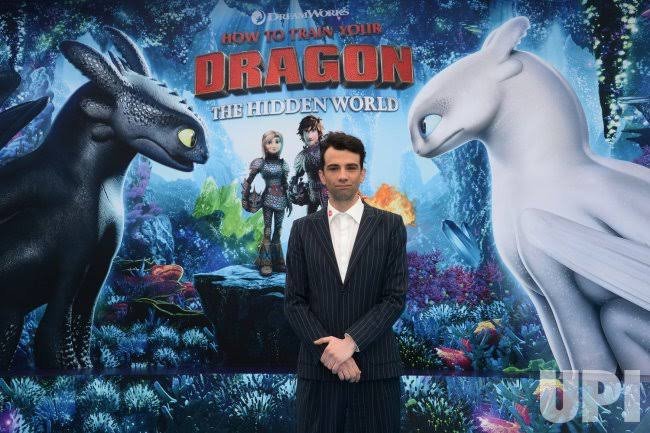
Jay Baruchel in How to Train Your Dragon is a memorable example of how voice acting can turn an animated character into someone audiences genuinely care about. Baruchel provides the English-language voice of Hiccup Horrendous Haddock III, the young Viking who changes his village’s attitude toward dragons after forming an unexpected friendship with Toothless.
Released in 2010, the first animated film introduced viewers to a world where Vikings and dragons had been enemies for generations. Instead of following the traditions of his village, Hiccup questions what everyone around him believes. His curiosity and willingness to understand dragons eventually transform his life and the future of his community.
Jay Baruchel plays an important part in making this story work. His voice gives Hiccup a distinctive personality, combining awkward humor, uncertainty, intelligence, and courage. As the story progresses through the trilogy, his performance also reflects Hiccup’s growth from an overlooked teenager into a responsible leader.
This article explores Jay Baruchel’s role, his voice acting, the three animated films, and the reasons Hiccup remains one of the franchise’s most recognizable characters.
BIO
| Label | Information |
|---|---|
| Actor Name | Jay Baruchel |
| Full Name | Jonathan Adam Saunders Baruchel |
| Profession | Actor, Comedian, Writer, and Filmmaker |
| Nationality | Canadian |
| Famous Role | Hiccup Horrendous Haddock III |
| Movie Franchise | How to Train Your Dragon |
| First Animated Film | How to Train Your Dragon (2010) |
| Second Film | How to Train Your Dragon 2 (2014) |
| Third Film | How to Train Your Dragon: The Hidden World (2019) |
| Character’s Best Friend | Toothless |
| Voice Acting Role | English-language voice of Hiccup |
| Other Famous Movies | Knocked Up, Tropic Thunder, This Is the End |
| Live-Action Hiccup | Played by Mason Thames in the 2025 film |
Who Is Jay Baruchel?
Jay Baruchel is a Canadian actor, comedian, writer, and filmmaker known for his work in comedy and drama. Born in Ottawa, Ontario, he developed a career that includes film, television, and voice acting.
Before becoming widely associated with How to Train Your Dragon, Baruchel appeared in several projects that demonstrated his natural comic timing and distinctive screen presence. His film credits include Million Dollar Baby, Knocked Up, Tropic Thunder, and This Is the End.
His acting style often combines humor with a sense of vulnerability. Rather than presenting every character as confident or perfectly composed, he can make them feel uncertain, relatable, and human. These qualities are particularly useful for portraying Hiccup, who begins his story as someone struggling to find his place in a demanding Viking society.
Voice acting requires a different set of skills from appearing in a live-action film. An actor cannot depend on facial expressions, body language, or physical movement to communicate every emotion. Instead, vocal delivery must help audiences understand what the character is thinking and feeling.
Baruchel’s performance demonstrates how an expressive voice can provide personality and emotional depth to an animated character.
Jay Baruchel as Hiccup
Hiccup is the central character in the original animated trilogy. He lives on the island of Berk, where Viking culture has been shaped by generations of conflict with dragons.
His father, Stoick the Vast, is the village chief and a respected warrior. Hiccup, however, does not fit the traditional image of a Viking hero. He is inventive, thoughtful, and curious, but he lacks the physical strength and confidence expected by many members of his community.
This difference creates much of the tension in the first film. Hiccup wants to prove himself, yet he also questions whether fighting dragons is the right thing to do.
Jay Baruchel captures these conflicting feelings through his voice. Hiccup can sound nervous when he faces an unfamiliar challenge, enthusiastic when he discovers something new, and determined when he believes he has found the right path.
The performance never makes him sound like a completely different person when he becomes more confident. Instead, his personality develops naturally as he gains experience.
That continuity is important because Hiccup’s journey is not simply about becoming stronger. It is about discovering his own values and learning to trust his judgment.
How His Voice Brings Hiccup to Life
One of the most interesting aspects of Jay Baruchel’s performance is the way he communicates Hiccup’s personality without relying on exaggerated heroism.
Hiccup often speaks with a mixture of uncertainty and curiosity. His reactions can be humorous, especially when he finds himself in situations that are far beyond his experience. These moments make him approachable rather than distant or overly serious.
However, Baruchel’s performance also has emotional range. When Hiccup faces difficult decisions, the character’s voice becomes more serious. When he feels disappointed or worried, his delivery helps communicate those emotions without needing lengthy explanations.
This balance is particularly valuable in an animated adventure that appeals to children and adults. Younger viewers can enjoy Hiccup’s humor and daring adventures, while older audiences can recognize the deeper questions about family expectations, personal identity, and responsibility.
Voice acting also depends on how an actor works with the animation and the wider production. The character’s expressions, movements, music, and dialogue all contribute to the finished experience.
Baruchel’s voice is therefore one part of a larger creative effort, but it is an essential part. Without a believable vocal performance, Hiccup’s most important decisions would carry less emotional weight.
How to Train Your Dragon (2010)
The original How to Train Your Dragon introduced audiences to Hiccup and his unusual friendship with Toothless. Directed by Chris Sanders and Dean DeBlois, the film combines fantasy adventure, comedy, and a story about challenging long-standing assumptions.
At the beginning, Hiccup wants to earn the respect of his father and the people of Berk. His community measures bravery through the ability to fight dragons, but Hiccup’s inventive approach sets him apart.
After encountering a Night Fury, one of the dragons feared by the Vikings, Hiccup discovers that the creatures may not be the monsters everyone believes them to be.
He names the dragon Toothless and gradually builds a relationship with him. Through patience and observation, Hiccup learns to understand the animal rather than simply trying to control it.
Jay Baruchel’s performance supports this change. Early scenes highlight Hiccup’s awkwardness and desire for approval, while later moments show his growing confidence and willingness to stand by his beliefs.
The friendship between Hiccup and Toothless becomes the emotional foundation of the film. Their connection challenges the traditions of Berk and encourages the Vikings to reconsider their relationship with dragons.
The movie was released in 2010 and became the starting point for a successful animated franchise. Baruchel’s portrayal helped establish Hiccup as a character whose intelligence and empathy were just as important as his bravery.
How to Train Your Dragon 2 (2014)
How to Train Your Dragon 2 continues Hiccup’s story several years after the first film. He is older, more experienced, and increasingly aware that his decisions can affect many other people.
Although he has developed a strong bond with Toothless, Hiccup still has questions about his future. His father expects him to take on greater responsibilities, while Hiccup wants to explore the world and understand more about dragons.
The sequel introduces new discoveries, including a hidden gathering place for dragons and the return of Hiccup’s long-lost mother, Valka. These revelations expand his understanding of his family and the world beyond Berk.
The story also presents more serious challenges. Hiccup must consider what it means to lead, how to protect the people he loves, and whether peaceful solutions are always easy to achieve.
Baruchel adjusts his performance to reflect this maturity. Hiccup remains curious and occasionally impulsive, but he also displays greater determination and emotional awareness.
His relationship with Stoick becomes especially important. Their differing perspectives create tension, yet both characters want to protect their family and community.
The film demonstrates that growing older does not mean having every answer. Hiccup must learn from difficult experiences while continuing to make decisions according to his values.
How to Train Your Dragon: The Hidden World (2019)
The third animated film, How to Train Your Dragon: The Hidden World, brings the main trilogy toward its conclusion.
By this stage, Hiccup has become a leader who must think beyond his personal ambitions. Berk has changed considerably since the first film, and the growing number of dragons creates new challenges for the community.
Hiccup wants to protect his people and the dragons who have become part of their lives. At the same time, he must recognize that protecting someone sometimes means making a difficult decision about what is best for them.
Toothless also experiences an important change when he encounters the Light Fury. Their relationship introduces another dimension to the story and encourages Hiccup to consider the dragon’s own needs.
The central friendship between Hiccup and Toothless remains at the heart of the film. Their connection is built on years of trust, shared experiences, and mutual understanding.
Baruchel’s voice reflects the greater responsibility Hiccup now carries. He is no longer simply trying to prove himself to his father or village. He must make decisions that influence the future of two different worlds.
The film’s conclusion emphasizes growth, independence, and the difficulty of accepting change. Rather than treating friendship as something that requires people to remain together forever, the story suggests that a meaningful bond can endure even when circumstances change.
This emotional direction gives Hiccup’s journey a satisfying sense of completion.
Hiccup and Toothless: The Heart of the Story
The relationship between Hiccup and Toothless is one of the defining features of How to Train Your Dragon. Their friendship begins when Hiccup encounters a dragon that his people fear, but their connection gradually becomes much more than an unusual partnership.
Hiccup learns that Toothless responds to patience, trust, and understanding. In return, Toothless helps Hiccup become more confident and recognize that he does not need to follow every tradition simply to earn respect.
Their friendship also changes the way the Vikings view dragons. What once appeared to be a conflict between natural enemies becomes an opportunity to understand another living creature.
Jay Baruchel contributes to this relationship through Hiccup’s spoken reactions and emotional responses. His performance helps communicate the excitement of discovery, the fear of losing someone important, and the confidence that develops through shared experiences.
Toothless does not speak human dialogue, so the animators, sound designers, and musical score play important roles in expressing his feelings. Hiccup’s voice helps connect these visual and emotional details to the audience.
Together, the characters show that trust is built through actions rather than appearances. Their friendship encourages viewers to question assumptions and recognize the value of understanding others before judging them.
What Makes Jay Baruchel’s Hiccup Memorable?
Hiccup stands out because he does not begin as a traditional action hero. He is uncertain, makes mistakes, and sometimes struggles to explain his ideas to people who disagree with him.
These imperfections make his development more believable. Instead of suddenly becoming fearless, he learns to act despite uncertainty.
Baruchel’s performance helps preserve this quality throughout the trilogy. Even as Hiccup becomes a capable dragon rider and leader, he retains his humor, curiosity, and occasional awkwardness.
Another important factor is the character’s intelligence. Hiccup frequently solves problems by observing situations carefully and trying a different approach. His success is not based entirely on physical strength or the ability to defeat an opponent.
His emotional growth is equally important. He learns to understand his father, accept responsibility, and recognize that leadership sometimes requires putting the needs of others first.
The combination of humor, vulnerability, intelligence, and courage gives Hiccup a recognizable identity. Audiences can follow his development without losing sight of the personality that made him interesting in the first place.
Jay Baruchel Beyond the Animated Trilogy
Although many viewers immediately associate Jay Baruchel with Hiccup, his career extends well beyond animated fantasy films.
His live-action work includes comedies such as Knocked Up, Tropic Thunder, and This Is the End. These projects demonstrate his ability to play characters whose humor comes from awkward situations, quick reactions, and imperfect personalities.
He has also worked as a writer and filmmaker, giving him experience beyond performing in front of a camera or microphone.
This broader background helps explain why his work as Hiccup feels distinctive. Comedy is an important part of the character, but Hiccup’s story also requires sincerity and emotional restraint.
The strongest scenes are not always the funniest ones. Sometimes the character must communicate concern, determination, disappointment, or affection through relatively simple dialogue.
Baruchel’s experience across different genres gives context to his performance, although the finished character is also shaped by the directors, writers, animators, editors, and other performers involved in the films.
Jay Baruchel and How to Train Your Dragon: Homecoming
The franchise also continued with How to Train Your Dragon: Homecoming, a 2019 animated holiday special.
Jay Baruchel returned as Hiccup, alongside several familiar cast members, including America Ferrera as Astrid and Gerard Butler as Stoick.
The story takes place in the world established by the animated trilogy and revisits the relationship between humans and dragons through a holiday celebration. Hiccup becomes concerned that a younger generation of Vikings may not fully understand the historic bond between the two groups.
He responds by organizing a celebration designed to keep those memories alive.
The special provides another opportunity to see Hiccup in a different stage of his life. His role is no longer limited to discovering dragons or proving himself. He now wants to preserve an important part of his community’s history.
Baruchel’s return helps maintain continuity with the earlier films, allowing audiences to reconnect with the familiar character and his established personality.
Interesting Facts About Jay Baruchel and Hiccup
Jay Baruchel voices the animated Hiccup. He is the original English-language voice of the character in the main animated film trilogy.
Hiccup’s full name is Hiccup Horrendous Haddock III. The unusual name fits the franchise’s distinctive Viking setting.
The animated trilogy spans three feature films. The main movies were released in 2010, 2014, and 2019.
Toothless is a Night Fury. He is the dragon whose friendship with Hiccup changes the relationship between Vikings and dragons.
The films are based on books by Cressida Cowell. However, the animated movies develop their own version of the story and characters.
Hiccup changes significantly throughout the trilogy. He progresses from an uncertain teenager to a responsible leader who must consider the needs of his community.
Baruchel returned for Homecoming. The 2019 holiday special continued the animated franchise with several members of the original voice cast.
The live-action adaptation features a different Hiccup actor. Mason Thames plays Hiccup in the 2025 live-action film, while Jay Baruchel is associated with the animated version.
Frequently Asked Questions
Is Jay Baruchel the voice of Hiccup?
Yes. Jay Baruchel provides the original English-language voice of Hiccup Horrendous Haddock III in the How to Train Your Dragon animated film trilogy.
How many How to Train Your Dragon movies feature Jay Baruchel?
Jay Baruchel voices Hiccup in all three main animated films: How to Train Your Dragon (2010), How to Train Your Dragon 2 (2014), and How to Train Your Dragon: The Hidden World (2019).
Did Jay Baruchel play Hiccup in the live-action movie?
No. Jay Baruchel is known for voicing the animated Hiccup. In the 2025 live-action adaptation, Mason Thames plays the character.
Why is Jay Baruchel’s voice suitable for Hiccup?
His performance combines humor, uncertainty, warmth, and determination. These qualities help make Hiccup feel relatable while allowing his personality to develop naturally throughout the films.
What other movies is Jay Baruchel known for?
His other film credits include Knocked Up, Tropic Thunder, and This Is the End. These projects showcase his work in comedy as well as his distinctive acting style.
Conclusion
Jay Baruchel’s role in How to Train Your Dragon is central to the success of the animated trilogy’s storytelling. Through his voice, Hiccup becomes more than a young Viking who befriends a dragon. He becomes a thoughtful and relatable character whose journey explores courage, family, responsibility, and personal growth.
Across the three films, Hiccup learns to challenge old beliefs, build meaningful relationships, and accept the responsibilities that come with leadership. His friendship with Toothless remains the emotional center of that journey, showing how trust and understanding can change entire communities.
Baruchel’s performance helps connect these ideas with audiences of different ages. His combination of humor and emotional depth allows Hiccup to grow without losing the personality that makes him memorable.
For fans of the franchise, Jay Baruchel will remain closely associated with the original animated Hiccup. His contribution is an important part of what makes the character’s journey, from an uncertain young Viking to a mature leader, so meaningful.