






Choosing everyday shoes sounds simple until you actually start comparing different styles, fits, materials, and soles. A pair can look great in a photo but feel completely different after several hours of walking. For daily use, comfort and practicality usually matter just as much as appearance.
Reebok has a broad footwear range covering casual classics, walking shoes, running shoes, training footwear, basketball styles, and wide-fit options. That variety is useful because everyday footwear needs can be very different from one person to another.
The right choice depends on how you spend your day, how much walking you normally do, what type of fit feels comfortable, and what kind of style works with your wardrobe. This guide explains the main things to consider before choosing a Reebok pair for everyday wear.
Understand Your Everyday Needs
Before looking at individual shoes, think about what you actually do during a normal day.
Someone who walks to school, spends time outdoors, and runs errands may need something different from someone who spends most of the day sitting indoors. Likewise, a person who wants one pair for casual outfits may have different priorities from someone who wants a shoe that can handle walking and occasional exercise.
Start by asking a few straightforward questions. How much walking do you normally do? Will you wear the shoes for several hours at a time? Do you need them mainly for casual clothing, or will you also use them for light activity?
Reebok separates its footwear into categories such as Classics, Running, Walking, Gym & Training, Basketball, and Wide Shoes. This makes it easier to begin with the type of footwear that matches your intended use.
For everyday wear, a versatile lifestyle sneaker can be a sensible choice if most of your day involves ordinary walking and casual activities. If walking is the main purpose, a walking-focused design may be more appropriate.
Focus on the Fit
A comfortable shoe starts with the right fit. Even a well-made sneaker can become unpleasant if it is too narrow, too loose, or too short.
Your heel should feel secure without being squeezed. At the same time, your toes should have enough space to move naturally. Reebok’s own footwear guidance emphasizes a secure heel, supportive midfoot, and sufficient room around the toes when evaluating shoe fit.
Do not assume that the number printed on the box automatically guarantees a perfect fit. Different shoe designs can feel different because of their shape, materials, and construction.
If possible, walk around while trying on a pair. Pay attention to whether your heel moves excessively, whether your toes touch the front, or whether there are uncomfortable pressure points.
It is also useful to try shoes with the socks you normally wear. A shoe that feels perfect with thin socks may feel different with thicker everyday socks.
Prioritize Comfort
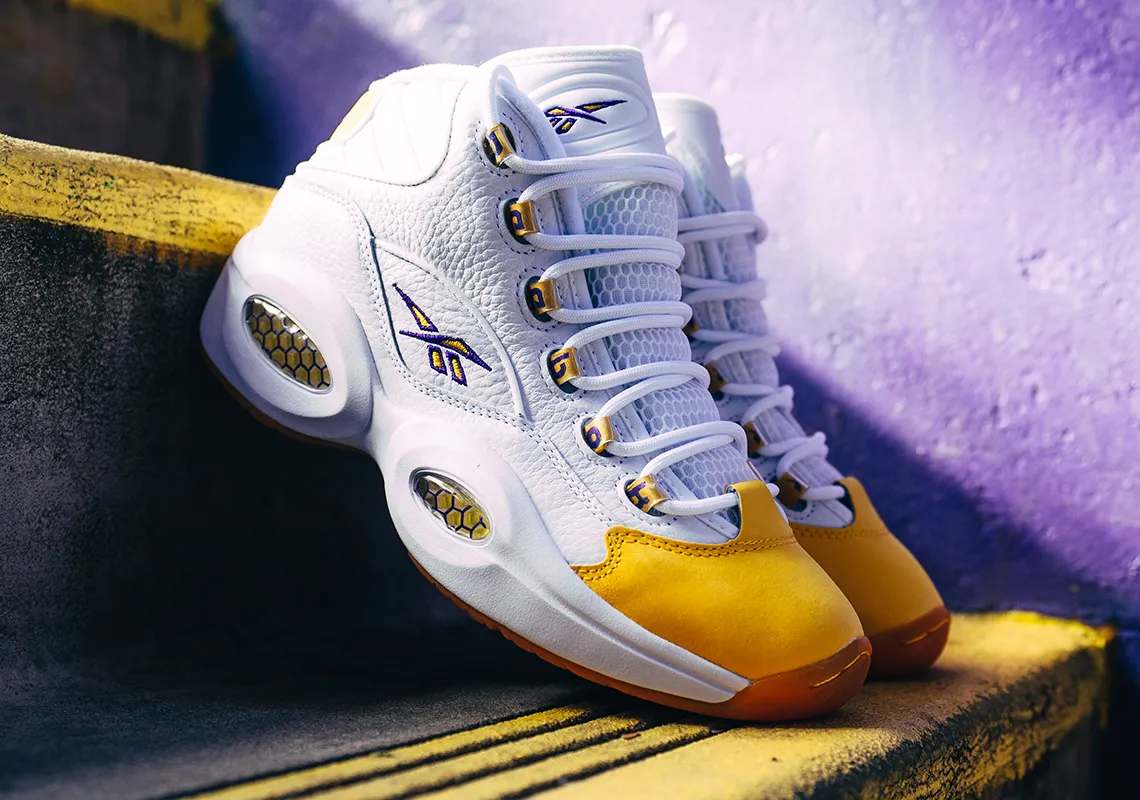
For everyday footwear, comfort should be one of the first things you consider rather than an afterthought.
A daily sneaker may spend many hours on your feet, so cushioning, flexibility, weight, and breathability can all influence how comfortable it feels.
Reebok’s current walking collection emphasizes all-day comfort and support, with walking models designed around cushioning and shock absorption.
That does not mean the softest shoe is automatically the best shoe. Some people prefer a softer underfoot sensation, while others like a firmer and more stable feel.
Think about what feels natural to you. The shoe should support your movement without making your feet feel restricted.
Match the Shoe to Your Lifestyle
There is no single Reebok shoe that is perfect for everyone. The best option depends on how you intend to use it.
For Walking and Errands
If your day includes plenty of walking, look for a shoe that feels comfortable during repeated steps and offers dependable traction.
A walking-oriented model can make more sense than a fashion-focused sneaker if walking is your primary concern. Reebok currently offers dedicated walking footwear alongside its running and lifestyle ranges.
For casual walking, you generally want a comfortable fit, appropriate cushioning, a secure heel, and an outsole suitable for the surfaces you normally encounter.
For Work and Long Days
If you spend several hours at work or moving between different places, comfort becomes particularly important.
Consider the overall weight of the shoe and how breathable it feels. A bulky sneaker may not be ideal if you are constantly on the move.
Style can matter here as well. A simple pair with a clean design can transition more easily between casual clothing and a relaxed workplace.
For Casual Outfits
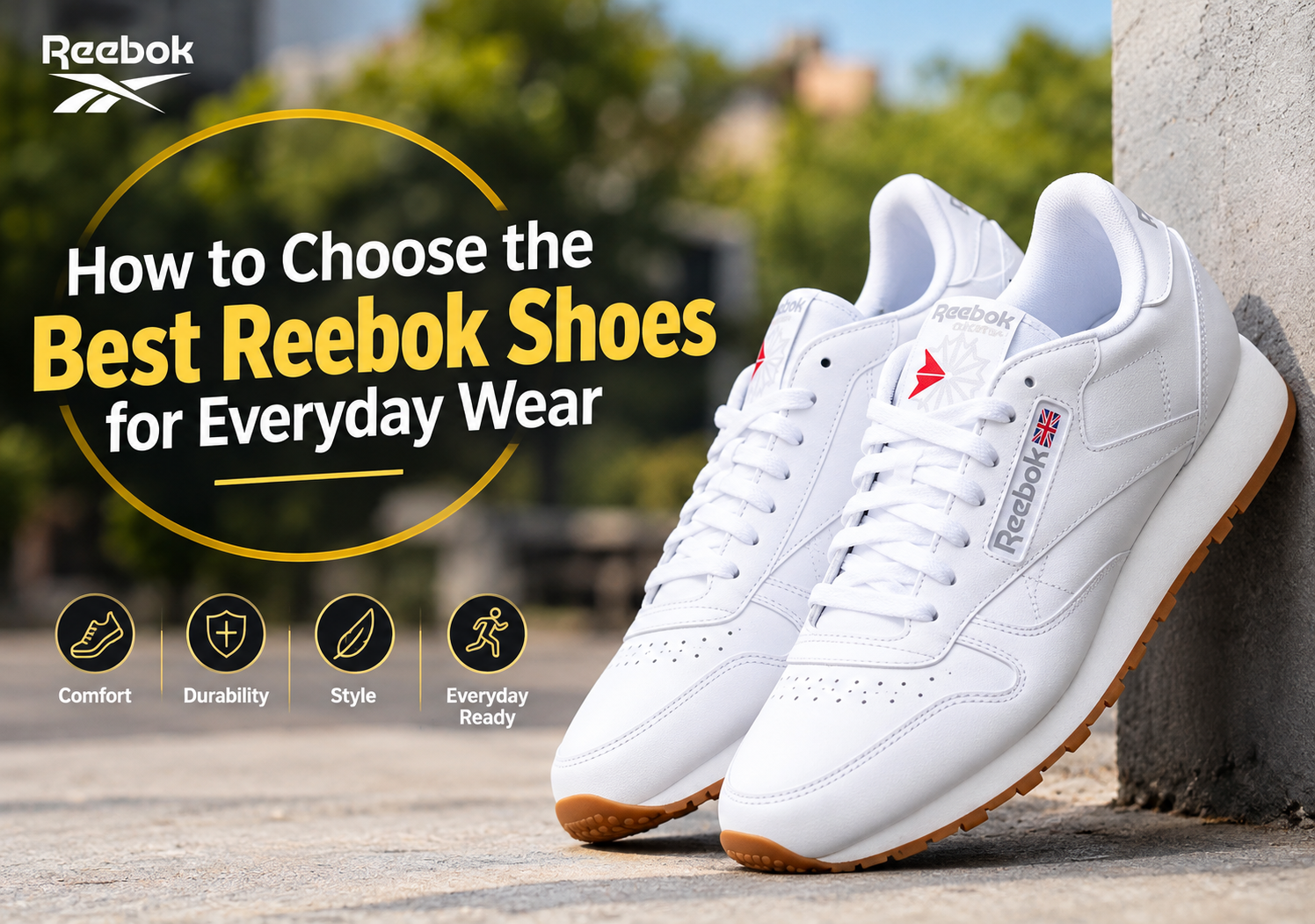
This is where Reebok’s Classic collection can be especially appealing.
Reebok describes several of its heritage silhouettes, including Club C, Classic Leather, Workout Plus, and Freestyle, as longstanding style staples. The Club C originally appeared as a tennis shoe in 1985, while Classic Leather dates to 1983.
These designs have a recognizable retro character, but their simple shapes can also work with modern casual clothing.
If you want one pair that works with jeans, trousers, shorts, or other relaxed outfits, a versatile color can make a significant difference.
For Light Training
If your everyday routine also includes gym sessions or training, consider whether a dedicated training shoe would be more suitable.
Training footwear is designed around stability, support, and flexibility for movements such as lifting, jumping, and cross-training. Reebok’s training guidance specifically identifies these features as important for dynamic workouts.
A training shoe can be a better choice than a soft lifestyle sneaker when your day involves actual workouts.
Consider Materials
The materials used in a sneaker affect its feel, appearance, breathability, and maintenance.
Some people prefer the smooth appearance of leather, while others may prioritize lightweight and breathable textile constructions. There is no universally best material because the right choice depends on where and how you wear the shoe.
If you expect to wear the shoes frequently, consider how easy they will be to clean. Light-colored footwear can look sharp but may show dirt more quickly than darker options.
Also examine the construction around high-wear areas. Check the stitching, overlays, sole attachment, and general finish rather than judging quality from the upper material alone.
A shoe that looks good when new should also make sense for your normal routine.
Look at the Sole
The outsole is one of the most important parts of an everyday shoe because it connects your feet with the ground.
Think about the surfaces where you normally walk. Smooth indoor floors, sidewalks, paved streets, and outdoor paths can all place different demands on footwear.
Traction is particularly useful when you regularly encounter surfaces where slipping could be a concern. Flexibility can also be helpful for ordinary walking because your foot naturally moves through different stages during each step.
Cushioning is another consideration. Reebok’s running range, for example, offers models with different cushioning characteristics for different running purposes, illustrating why footwear should be selected according to activity rather than appearance alone.
For everyday casual use, you do not necessarily need the same level of performance technology as a dedicated runner. Instead, look for a sole that feels stable, comfortable, and appropriate for your normal activities.
Think About Durability
A good everyday sneaker should be capable of handling repeated use.
Durability depends on several factors, including construction, materials, frequency of wear, walking surfaces, and how well the shoes are maintained.
Look at areas that experience frequent contact with the ground and repeated bending. The outsole, heel area, toe region, and flex points can all tell you something about how a shoe is built.
It is also worth considering how often you plan to wear the pair. A shoe used occasionally for casual outings may experience much less wear than one worn almost every day for long walks.
Taking care of your footwear can help preserve its appearance and condition. Cleaning dirt regularly and allowing wet shoes to dry naturally are simple habits that can make everyday footwear easier to maintain.
Choose a Style That Fits Your Wardrobe
A practical everyday shoe should fit your lifestyle, but there is no reason it cannot also reflect your personal style.
Reebok’s Classic footwear has a strong connection with retro sportswear, while the wider collection includes contemporary athletic and lifestyle designs.
Neutral shades such as white, black, grey, or simple combinations can be easy to coordinate with different outfits. More distinctive colors can be a good choice if you want the shoes to become a noticeable part of your outfit.
The important thing is to choose something you will genuinely enjoy wearing. A stylish pair that stays in the closet is not a useful everyday purchase.
Set a Sensible Budget
Price is another part of the decision, but it should not be the only factor.
Instead of automatically choosing the cheapest or most expensive option, compare what you are getting for the money. Consider fit, materials, cushioning, construction, intended use, and how frequently you expect to wear the shoes.
A pair that feels comfortable and works with most of your wardrobe may offer better practical value than a pair that looks impressive but does not suit your daily routine.
Reebok’s current footwear selection spans different categories and price points, so it is worth deciding what features matter most before comparing individual models.
Avoid Common Buying Mistakes
One of the easiest mistakes is buying a shoe mainly because it looks good.
Appearance matters, but it should come after basic fit and intended use. A sneaker that looks excellent but causes discomfort after an hour is unlikely to become a favorite everyday pair.
Another mistake is assuming that every Reebok shoe will feel identical. Different collections are designed for different purposes, so a Classic lifestyle sneaker should not necessarily feel like a dedicated running or training shoe.
Ignoring foot width is another common problem. If a standard shape feels restrictive, look for options designed with more room rather than simply choosing a longer size.
Finally, do not rush the fitting process. Walk around, check the heel, move your toes, and notice how the shoe feels from the first few minutes.
Check the Fit Before Buying
A proper fitting process does not need to be complicated.
Try both shoes rather than testing only one. Feet are not always exactly identical, and the way a pair feels while standing can differ from how it feels while walking.
Make sure your toes have reasonable freedom of movement. Your heel should remain comfortably positioned without excessive slipping.
Also consider when you are trying the shoes. Feet can change slightly during the day, so a pair that feels comfortable at one moment may feel different later.
The most useful question is simple: Can I comfortably imagine wearing these shoes for several hours?
If the answer is no, another style may be worth considering.
Care for Your Reebok Shoes
Even a well-made pair benefits from basic care.
Remove surface dirt regularly rather than allowing it to build up. Follow the care recommendations appropriate for the shoe’s material, and avoid treating every type of footwear in exactly the same way.
If the shoes become wet, allow them to dry naturally rather than relying on intense heat. Excessive heat can affect certain materials and adhesives.
Storage also matters. Keep shoes in a reasonably clean, dry place and avoid crushing them under heavy objects.
If you own more than one pair, rotating them can also give each pair time between wears. This can be especially useful when one pair is used frequently.
Reebok for Everyday Wear
One reason Reebok remains relevant in everyday footwear is the breadth of its approach. The brand combines athletic footwear with longstanding lifestyle silhouettes, giving shoppers options for different routines and personal styles.
Its current range includes categories for walking, running, training, basketball, classics, and wider fits.
The Classic range also demonstrates how older designs can continue to work in modern wardrobes. Club C, Classic Leather, Workout Plus, and Freestyle remain recognizable parts of the brand’s lifestyle identity.
At the same time, performance-oriented collections such as running and training are aimed at more specific activities. That distinction is useful because it reminds shoppers that footwear should be selected according to purpose rather than brand name alone.
Reebok vs. Other Everyday Sneakers
When comparing Reebok with other sneaker brands, it is easy to get caught up in logos, trends, and opinions.
A better approach is to compare the things that actually affect your experience.
Look at fit, comfort, cushioning, weight, traction, materials, durability, price, and intended use. Then consider style.
One person may prefer a minimalist lifestyle sneaker, while another may want a cushioned walking shoe. Someone who spends time training may prioritize stability instead.
There is no universal winner because everyday footwear is personal. The strongest choice is the pair that matches your own routine and feels comfortable when you actually wear it.
Frequently Asked Questions
Are Reebok shoes good for everyday wear?
Yes, Reebok offers several footwear categories intended for everyday activities, including walking and lifestyle shoes. The right choice depends on your fit, comfort preferences, and daily routine.
How should Reebok shoes fit?
A good fit should feel secure without being painfully tight. Your heel should stay comfortably in place, while your toes should have enough room for natural movement.
Which Reebok shoes are best for walking?
Look for a model designed around walking or everyday movement if walking is your main activity. Reebok’s walking range focuses on comfort, support, cushioning, and shock absorption.
Can Reebok Classic shoes be worn every day?
Many Classic styles are designed as lifestyle footwear and can work well with casual everyday outfits. Club C and Classic Leather are among the brand’s established lifestyle silhouettes.
Should comfort or style come first?
For everyday footwear, comfort and proper fit should come first. Once you find a shoe that feels right, you can choose the color and design that best matches your personal style.
Final Thoughts
Choosing the best Reebok shoes for everyday wear is less about finding one universally perfect model and more about understanding what your feet and routine actually need.
Start with the purpose of the shoe. Consider whether you mainly walk, work, study, run errands, train, or simply want a versatile sneaker for casual outfits. Then evaluate fit, comfort, cushioning, materials, traction, durability, and style.
Do not choose a pair only because it looks good online. A truly useful everyday sneaker is one that feels comfortable after hours of normal use and works naturally with your lifestyle.
Reebok’s wide range makes it possible to approach the decision from different directions, whether you prefer a classic lifestyle silhouette, a walking-focused design, or footwear built for more active movement.
In the end, the best pair is the one you can put on without hesitation and comfortably wear throughout your day. That combination of fit, function, comfort, durability, and personal style is what makes an everyday shoe worth choosing.