





Choosing the right football footwear can make a noticeable difference in how you move, turn, and control the ball on artificial grass. Turf shoes are designed to provide grip and support on synthetic playing surfaces, making them a popular choice among football players of different skill levels. However, not every pair is suitable for every type of artificial pitch. Understanding outsole designs, materials, fit, and comfort can help you make a better buying decision. This guide explains what to look for, how different styles work, and how to choose footwear that suits your playing conditions.
Quick Guide to Turf Shoes
| Feature | Details |
|---|---|
| Product Type | Football footwear |
| Main Purpose | Playing on artificial turf |
| Outsole | Rubber with multiple small studs or lugs |
| Common Surface | Short-pile synthetic grass |
| Key Benefits | Traction, comfort, and flexibility |
| Suitable Users | Beginners, amateurs, and regular players |
| Alternative Types | AG, FG, and indoor football shoes |
| Best Selection Factor | Playing surface and personal fit |
What Are Turf Shoes?

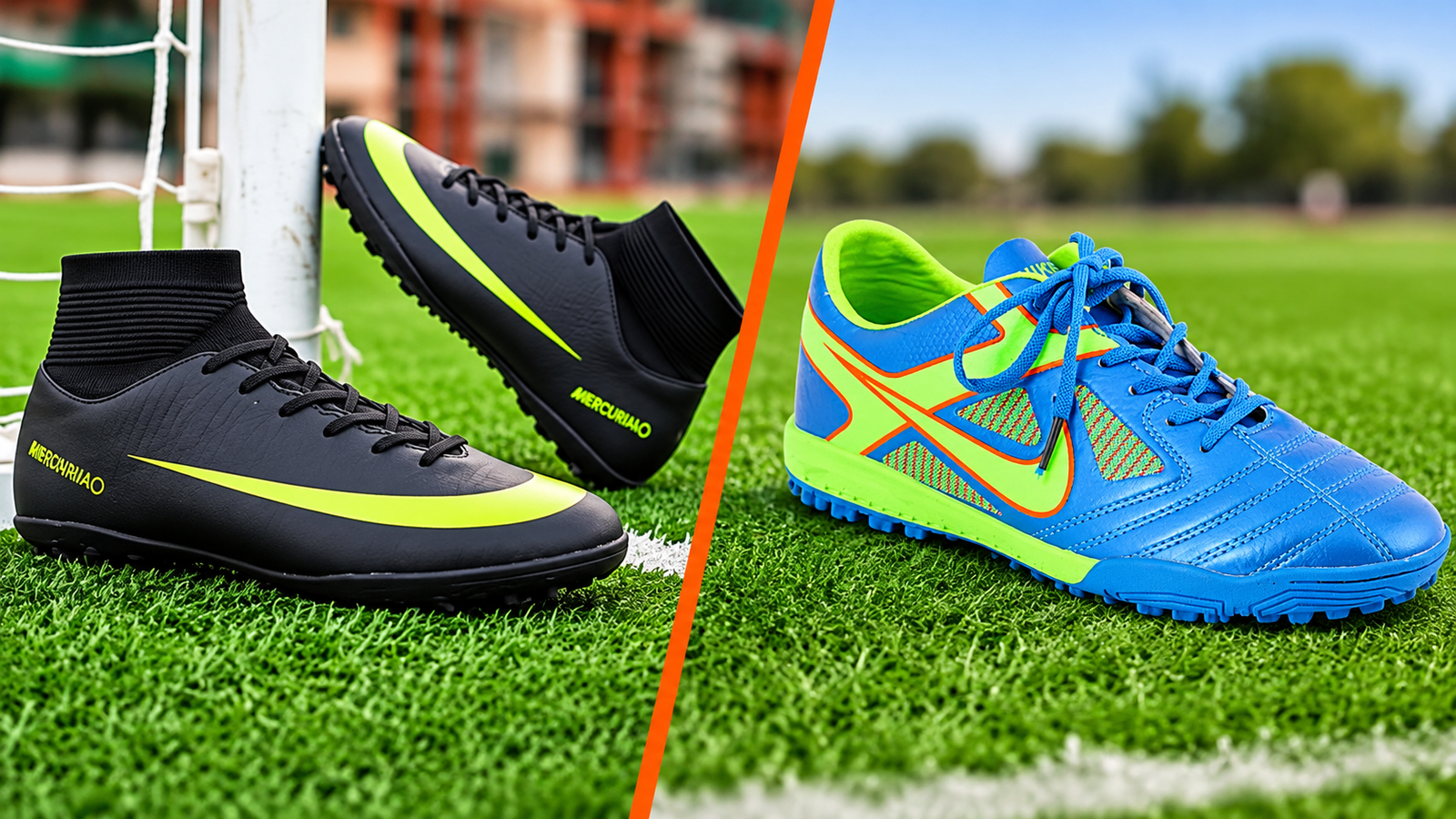
Turf shoes are football footwear designed specifically for playing on artificial grass surfaces. They typically feature rubber outsoles covered with numerous small studs or raised patterns. These elements help players maintain traction while running, changing direction, and controlling the ball.
Unlike traditional football boots with fewer, longer studs, turf footwear distributes contact across a larger number of smaller rubber lugs. This construction makes it particularly suitable for shorter synthetic surfaces.
Players often choose turf shoes for recreational football, training sessions, and small-sided games. They are also useful for people who regularly play on older artificial pitches where conventional firm-ground boots may not provide the most comfortable experience.
However, the right footwear depends on the pitch. Short-pile artificial surfaces and modern long-pile 3G pitches can require different outsole designs.
Why Are Turf Shoes Popular Among Football Players?
Artificial football pitches have become common in sports centers, schools, training facilities, and recreational grounds. They allow players to enjoy football in locations where maintaining natural grass may be difficult.
One reason turf shoes are popular is their outsole design. The multiple rubber lugs provide contact with the playing surface without relying on a small number of long studs.
Another advantage is versatility. Players can use suitable turf footwear for casual matches, technical drills, and regular practice. Their relatively low-profile construction also gives many players a familiar feeling when moving across short artificial grass.
Comfort is another important consideration. A well-designed pair can offer cushioning, flexibility, and a secure fit during regular sessions.
Still, popularity does not mean every model works equally well. The surface, shoe construction, and individual foot shape should all influence the final choice.
Different Types of Football Shoes for Artificial Surfaces
Before buying football footwear, it helps to understand the main outsole categories.
1. Turf Football Shoes (TF)
TF footwear generally features a rubber outsole with many short, closely spaced lugs. These shoes are designed primarily for short artificial grass and traditional astro-turf surfaces.
They are commonly used for recreational football, training, and small-sided matches. Their distributed traction makes them a practical choice for suitable short-pile pitches.
2. Artificial Ground Shoes (AG)
AG football boots are designed for modern artificial grass, particularly longer-pile synthetic surfaces. They usually feature multiple shorter studs arranged to distribute pressure across the outsole.
Players who regularly use 3G artificial pitches should consider this category, subject to the facility’s footwear rules.
3. Firm Ground Shoes (FG)
FG boots are designed mainly for natural grass pitches with relatively firm playing conditions. They usually feature molded studs that provide traction on grass.
Although some facilities permit certain FG models on artificial surfaces, they should not automatically be treated as interchangeable with AG footwear.
4. Indoor Football Shoes
Indoor football shoes have flat, non-marking rubber outsoles rather than traditional studs. They are designed for smooth indoor courts and hard playing surfaces.
They are generally not the right choice for outdoor artificial grass.
How to Choose the Best Turf Shoes
Finding the right pair requires more than choosing an attractive design. Several practical features deserve attention before making a purchase.
Check the Playing Surface
Start by identifying the type of pitch where you play most often. Short artificial grass, sand-filled surfaces, and modern 3G pitches can have different footwear requirements.
For short-pile synthetic grass, TF footwear may be appropriate. Longer-pile artificial grass may require AG boots instead.
When choosing turf shoes, check the facility’s footwear policy before buying. Some sports centers have specific rules about studs, blades, and outsole designs.
Choose the Right Fit
A comfortable fit helps you concentrate on the game instead of constantly adjusting your footwear.
The shoe should hold your heel securely without creating painful pressure. Your toes should have enough room to move naturally, but your foot should not slide excessively inside the shoe.
Try both shoes while wearing the socks you normally use for football. Walk, jog, and make a few gentle changes of direction to assess the fit.
Look for Comfortable Materials
The upper material affects how a football shoe feels and performs.
Synthetic uppers are common because they can be lightweight and relatively easy to maintain. Some models use textured surfaces to improve the feel of the ball during passing and shooting.
Leather options may offer a different level of softness and flexibility, although their weight, maintenance requirements, and durability vary.
Choose a material that feels comfortable and suits your playing habits rather than relying only on appearance.
Examine the Outsole
The outsole is one of the most important parts of artificial-grass footwear.
Look for securely attached rubber lugs, consistent construction, and a design intended for your playing surface. Avoid assuming that a more aggressive-looking sole automatically provides better traction.
The right outsole should match the pitch and allow comfortable movement during normal football activities.
Consider Cushioning and Support
Cushioning can influence how comfortable footwear feels during longer training sessions.
Check the midsole, heel area, and insole before purchasing. Some models include additional padding, while others prioritize a closer connection with the ground.
Your preferred level of cushioning depends on personal comfort and playing style.
Are Turf Shoes Good for Everyday Football Training?
For players who regularly train on suitable short-pile artificial grass, turf shoes can be a practical option.
Their small rubber lugs provide a different type of traction from conventional football boots. This makes them useful for technical practice, passing exercises, ball control, and recreational matches on compatible surfaces.
They can also be convenient for players who participate in several short training sessions each week.
However, they are not designed to replace every type of football footwear. Using them on natural grass, indoor courts, or longer artificial surfaces may not provide the intended performance.
It is better to own footwear suited to the surfaces where you actually play than to expect one pair to handle every playing condition.
How to Maintain Your Football Shoes
Proper maintenance helps preserve the condition of your footwear and keeps it ready for the next match.
Follow these simple practices:
- Remove loose dirt: Brush away grass, dust, and debris after playing.
- Clean carefully: Use a damp cloth and mild cleaning solution when necessary.
- Avoid excessive heat: Let your footwear dry naturally rather than placing it directly beside a heater.
- Check the outsole: Inspect rubber lugs regularly for signs of separation or excessive wear.
- Store properly: Keep your shoes in a ventilated area instead of leaving them wet inside a closed sports bag.
- Use them appropriately: Avoid wearing football footwear on unsuitable surfaces.
Regular cleaning is especially helpful when playing on artificial pitches that collect dust and small particles.
Common Mistakes to Avoid When Buying Turf Shoes
Even experienced players can make mistakes when choosing football footwear.
One common mistake is purchasing shoes based entirely on their appearance. A stylish design cannot compensate for an uncomfortable fit or an unsuitable outsole.
Another mistake is confusing TF and AG footwear. Both are associated with artificial grass, but they are designed for different surface conditions.
Some players also choose shoes that are too tight, assuming that a close fit always improves ball control. In reality, excessive pressure can make playing uncomfortable.
Finally, do not ignore the rules of your local football facility. Some pitches restrict particular stud types or outsole designs.
Taking time to check these details can help you avoid an unnecessary purchase.
What Makes Quality Turf Shoes Worth Buying?
Quality footwear is not necessarily the most expensive option. A suitable pair should combine reliable construction, comfortable materials, a secure fit, and an outsole designed for the intended surface.
When comparing turf shoes, pay attention to stitching, upper material, sole attachment, cushioning, and overall flexibility.
Brand reputation can be useful, but it should not replace checking the actual product. Two models from the same manufacturer may have different fits and playing characteristics.
Think about how often you play, the conditions of your regular pitch, and how much you are comfortable spending.
A well-chosen pair that matches your needs can be more useful than an expensive model designed for a different playing environment.
Frequently Asked Questions About Turf Shoes
1. What are turf shoes used for?
Turf shoes are primarily used for playing football on short-pile artificial grass and suitable synthetic surfaces. Their rubber outsoles contain numerous small lugs that help provide traction. They are commonly worn for recreational matches, football training, and small-sided games.
2. Are turf shoes suitable for artificial grass?
Yes, but suitability depends on the type of artificial grass. TF models are generally intended for shorter synthetic surfaces, while AG boots are designed for longer-pile artificial pitches. Always check the recommendations and footwear rules of the facility where you play.
3. What is the difference between TF and AG football boots?
TF boots usually have many small rubber lugs across the outsole and are intended for short artificial grass. AG boots feature a stud arrangement designed for modern, longer-pile synthetic pitches. The best option depends on the playing surface rather than personal preference alone.
4. Can you wear turf shoes on natural grass?
You can physically wear them, but they may not provide the traction required for natural grass, particularly when the surface is wet or soft. Firm-ground football boots are generally a more appropriate option for natural grass pitches.
5. How should football shoes fit?
Football shoes should feel secure around the heel and midfoot without squeezing the toes. Your feet should not slide excessively inside the footwear. Try them with your usual football socks and check the fit while walking and moving before making a purchase.
6. How long do turf football shoes last?
The lifespan depends on material quality, playing frequency, maintenance, and the type of surface. Regularly inspect the outsole, upper, and stitching for damage. Cleaning your footwear after use and allowing it to dry naturally can help maintain its condition.
Conclusion
Choosing the right football footwear starts with understanding your playing surface, preferred fit, and comfort requirements. Turf shoes can be an excellent option for suitable short artificial-grass pitches, while AG and other football boot categories serve different conditions. Before purchasing, compare outsole construction, materials, cushioning, and facility rules. A thoughtful choice can make regular training more comfortable and help you enjoy every match with confidence.
READ MORE: Scotland vs Greece: Match Preview, Prediction and Key Facts