







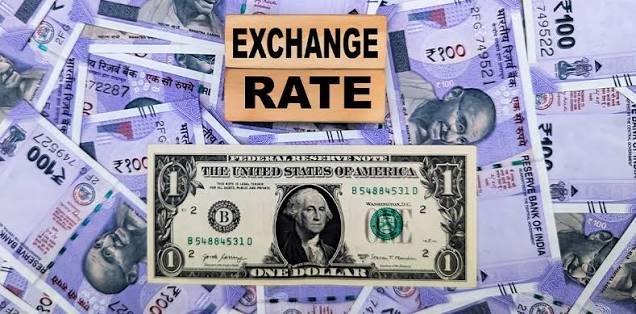
The value of the US dollar against the Indian rupee is one of the most closely watched currency rates for travelers, businesses, students, investors, freelancers, and people sending money between the United States and India. Even a small movement in the exchange rate can change the amount received when converting a larger sum.
As of September 8, 2026, the 1 USD to Indian Rupee rate is around ₹94.8 per US dollar, although the exact rate can vary depending on the time of the day, the financial institution, and the type of transaction. Market data showed the rupee weakening to about ₹94.82 per dollar on September 8 amid renewed pressure from higher crude oil prices and broader market concerns.
It is important to remember that an online market rate is not always the same amount you will receive from a bank, money-transfer service, or currency exchange provider. Fees, margins, and different buying and selling rates can affect the final amount.
This guide explains what 1 USD to Indian Rupee means, how the conversion works, why the rate changes, and what factors can influence the value of the Indian rupee.
BIO
| Label | Information |
|---|---|
| Topic | 1 USD to Indian Rupee |
| Currency Pair | USD/INR |
| Base Currency | US Dollar (USD) |
| Target Currency | Indian Rupee (INR) |
| Exchange Rate | Around ₹94.8 per USD* |
| Conversion | USD amount × USD/INR rate |
| Rate Type | Market exchange rate |
| Rate Changes | Changes throughout the day |
| Main Influences | Interest rates, oil prices, inflation |
| Central Bank | Reserve Bank of India |
| Common Uses | Travel, payments, transfers |
| Rate Difference | Banks may add fees or margins |
What Is 1 USD Worth in Indian Rupees Today?
The USD/INR exchange rate tells you how many Indian rupees are needed to purchase one US dollar.
At the current rate of roughly ₹94.8 per dollar, 1 US dollar is worth about ₹94.80. A live market quote can move by a few paise or several paise within a short period, particularly when important economic news or global market developments affect currency demand.
For example, if the quoted rate is ₹94.80, the basic calculation is:
1 USD × ₹94.80 = ₹94.80
However, this does not necessarily mean a person exchanging $1 will receive exactly ₹94.80. Financial providers may add a spread or transaction fee.
The distinction becomes much more important with larger amounts. A difference of ₹1 in the exchange rate represents ₹100 on a $100 transaction and ₹1,000 on a $1,000 transaction.
How to Convert USD to INR
Converting US dollars into Indian rupees is straightforward.
The basic formula is:
USD amount × USD/INR exchange rate = INR amount
Suppose the exchange rate is ₹94.80 per dollar. A $100 conversion would be:
$100 × ₹94.80 = ₹9,480
Likewise, $500 would equal approximately ₹47,400 before any applicable fees or provider adjustments.
The important point is that the exchange rate used for an actual transaction may be different from the headline market rate.
Common USD to INR Conversions
| US Dollars | Approximate Value in INR |
|---|---|
| $1 | ₹94.80 |
| $5 | ₹474 |
| $10 | ₹948 |
| $20 | ₹1,896 |
| $50 | ₹4,740 |
| $100 | ₹9,480 |
| $500 | ₹47,400 |
| $1,000 | ₹94,800 |
These figures are examples based on a rate of ₹94.80 per US dollar. Actual conversion amounts can differ because the market moves continuously and providers may apply their own rates and charges.
Why Does the USD to INR Rate Change?
Currency prices are influenced by supply and demand. The value of the rupee against the dollar can change when investors, companies, banks, governments, and consumers alter their demand for either currency.
There is no single factor that determines the USD/INR rate.
Instead, several economic and financial forces work together.
One major influence is the difference between interest rates and expectations in India and the United States. When investors believe that US assets will provide more attractive returns, demand for dollars can increase. Similarly, changes in expectations about Indian interest rates can affect demand for rupee-denominated assets.
Inflation also matters. Persistent inflation can influence a currency’s purchasing power and affect expectations about future monetary policy.
Oil prices are particularly important for India because the country relies heavily on imported crude oil. When oil becomes more expensive, Indian importers generally need more foreign currency to pay for energy purchases. This can create additional demand for dollars and put pressure on the rupee.
Recent market movements illustrate this relationship. On September 8, 2026, Brent crude moved toward $100 a barrel amid geopolitical tensions, while the rupee weakened to around ₹94.82 per dollar.
The Role of the Reserve Bank of India
The Reserve Bank of India (RBI) plays an important role in India’s foreign-exchange market.
The rupee does not simply remain at one fixed value against the US dollar. Market forces influence its value, while the RBI can take measures to reduce excessive volatility and maintain orderly market conditions.
During periods of strong pressure on the rupee, the central bank can use its foreign-exchange operations to help smooth unusually sharp movements.
Recent reporting indicated that state-run banks were selling dollars around the ₹94.70 level, with traders believing the activity was connected to RBI intervention designed to support the rupee.
Such actions do not mean the RBI can permanently determine the USD/INR rate. Global oil prices, capital flows, interest-rate expectations, trade conditions, and investor sentiment continue to influence the market.
USD to INR Market Rate vs. Bank Rate
One of the most important things to understand is that the market exchange rate and the rate offered to a customer are not necessarily identical.
A currency website may display a mid-market rate based on prices in the broader foreign-exchange market. A bank or money-transfer provider may use a different customer rate.
For example, a provider might quote one rate when buying dollars and another when selling dollars. The difference between these prices is commonly known as the spread.
Transaction fees can create another difference.
This is why someone checking an online rate should not automatically assume that the exact same amount will appear in their bank account after a currency conversion.
For larger transfers, even a small difference in the exchange rate can have a noticeable effect on the final amount.
What Is a Mid-Market Exchange Rate?
The mid-market rate is essentially a reference point between the buying and selling prices available in the currency market.
It is useful for understanding the general value of one currency compared with another.
However, ordinary customers usually do not exchange currencies at the exact mid-market rate without any additional costs. Banks and other providers may incorporate a margin into their exchange rate or charge a separate fee.
For that reason, comparing the final amount received can sometimes be more useful than comparing the headline exchange rate alone.
What Affects 1 USD to Indian Rupee?
Several factors can influence USD/INR movements.
US Interest Rates
Expectations about US Federal Reserve policy can affect the dollar. Higher expected US interest rates can make dollar-denominated assets more attractive to investors, potentially increasing demand for the currency.
Currency markets often respond to expectations before a central-bank decision actually happens.
Indian Interest Rates
Changes in Indian monetary policy can influence investment flows and the relative attractiveness of rupee-denominated assets.
The RBI considers inflation, economic growth, liquidity, and other conditions when making monetary-policy decisions.
Crude Oil Prices
Oil is one of the most important external factors for the Indian rupee.
When crude prices rise sharply, India’s import costs can increase. That can increase demand for dollars and create pressure on the rupee.
The September 2026 market movement provides a recent example. Higher Brent crude prices were accompanied by renewed weakness in the rupee.
Foreign Investment
International investors moving money into or out of Indian stocks, bonds, and other assets can influence demand for rupees and dollars.
Strong foreign inflows can support the rupee, while substantial outflows can create downward pressure.
Earlier in September 2026, stronger-than-expected dollar inflows under an RBI-backed scheme helped the rupee reach a 10-week closing high before subsequent oil-related pressure reversed some of those gains.
Inflation
Inflation affects the purchasing power of a currency and can influence interest-rate expectations.
If investors expect inflation to remain high, they may change their expectations for monetary policy and future currency values.
Global Risk Sentiment
Currencies can also react to global uncertainty.
During periods when investors become more cautious, money can move toward assets and currencies considered relatively safer. This can affect emerging-market currencies, including the Indian rupee.
Geopolitical tensions can add another layer of uncertainty by affecting oil prices, trade, investment flows, and expectations.
Historical USD to INR Movement
Looking at historical exchange rates can provide useful context, but it should not be treated as a guarantee of future prices.
During the first week of September 2026, historical data showed USD/INR moving between approximately ₹94.36 and ₹95.19.
The range demonstrates how quickly the value can move even over a relatively short period.
Longer-term movements can be influenced by structural changes in inflation, economic growth, interest rates, trade, capital flows, and global financial conditions.
This is why a person checking the rate today may see a different figure from someone who checked it yesterday or last month.
Why $100 Can Be Worth Different Amounts
Suppose the exchange rate is ₹94.80.
At that rate:
$100 = approximately ₹9,480
If the rate later moves to ₹95.80, the same $100 would be worth approximately:
$100 × ₹95.80 = ₹9,580
That is a difference of ₹100 on a $100 conversion.
For $1,000, the same one-rupee movement would represent ₹1,000.
This simple example shows why exchange-rate changes become more significant as the amount being converted increases.
USD to INR for Travelers
Travelers going to India often check the USD/INR rate before leaving the United States.
Knowing the approximate exchange rate helps with budgeting for hotels, food, transportation, shopping, and other expenses.
However, travelers should remember that cash exchange counters, banks, card networks, and payment providers may all use slightly different conversion rates.
A card payment may also involve foreign-transaction charges depending on the card and financial institution.
Instead of looking only at the published exchange rate, it is sensible to consider the total cost of the transaction.
USD to INR for Students
Students studying in India may also need to monitor the exchange rate.
Tuition, accommodation, living expenses, insurance, and other costs can become more expensive in dollar terms when the rupee weakens against the dollar.
For families sending money regularly, even small changes in the exchange rate can add up over several months.
Planning a budget using a realistic range rather than relying on one fixed exchange rate can make financial planning easier.
USD to INR for Freelancers and Online Workers
People who earn US dollars from international clients may also pay attention to USD/INR movements.
A freelancer receiving $1,000, for example, may receive a different rupee amount depending on the exchange rate on the day the payment is converted.
But again, the final amount depends on the payment platform or bank, including any conversion margin and applicable fees.
This makes it useful to compare the amount actually received rather than focusing only on the advertised exchange rate.
Is There a Best Time to Convert USD to INR?
There is no guaranteed best time to exchange currency.
The USD/INR market can respond to economic announcements, oil prices, central-bank decisions, geopolitical events, and investor sentiment. These factors can change quickly.
Someone who needs to make a transaction soon may not benefit from waiting for a particular rate that may never arrive.
For larger transactions, some people may choose to monitor the market and compare available provider rates rather than attempting to predict the exact high or low point.
The key is to understand the total cost and the purpose of the transaction.
How to Check the Latest USD to INR Rate
Anyone checking 1 USD to Indian Rupee should pay attention to a few details.
First, check the date and time of the quoted rate. A rate from several hours earlier may no longer represent the current market.
Second, identify whether the displayed figure is a mid-market, buying, selling, or customer rate.
Third, check whether a transaction fee is charged separately.
Finally, compare the final amount you will receive rather than simply choosing the provider with the highest advertised exchange rate.
Reliable financial institutions and established currency-data providers can be useful sources for checking current market information.
What Could Move USD/INR in the Future?
Future movements in USD/INR will depend on a combination of domestic and international developments.
US inflation and Federal Reserve expectations will remain important for the dollar. Indian economic growth, inflation, monetary policy, and capital flows will matter for the rupee.
Oil prices are another major variable.
As of September 8, 2026, market attention was focused heavily on crude oil prices and geopolitical tensions. Reuters reported that Brent crude had moved close to $100 per barrel, while the rupee experienced its sharpest daily decline since late July.
However, short-term currency forecasts should always be treated cautiously. Exchange rates can change quickly when new economic data or unexpected global developments appear.
Frequently Asked Questions
How much is 1 USD in Indian rupees today?
On September 8, 2026, 1 US dollar was around ₹94.8, with the precise market rate changing during the day. Actual bank or exchange-provider rates can be different.
How much is $100 in Indian rupees?
At an exchange rate of ₹94.80 per dollar, $100 is approximately ₹9,480 before fees or provider adjustments.
Why does the USD to INR rate change every day?
The rate changes because currencies respond to supply and demand, interest-rate expectations, inflation, oil prices, investment flows, trade conditions, and global economic and political developments.
Is the bank’s rate the same as the market rate?
Not necessarily. Banks and other providers can apply a spread or fee, meaning the rate available to a customer may differ from the mid-market exchange rate.
Why does oil affect the Indian rupee?
India imports substantial quantities of crude oil. When oil prices rise, the cost of those imports can increase, potentially creating greater demand for dollars and putting pressure on the rupee.
Final Thoughts
The 1 USD to Indian Rupee exchange rate is more than just a number on a currency converter. It reflects the interaction of global markets, Indian economic conditions, US monetary policy, oil prices, investment flows, and investor expectations.
As of September 8, 2026, the rate is around ₹94.8 for one US dollar, but that figure can change throughout the trading day. Recent market movements demonstrate how quickly oil prices and geopolitical developments can influence the rupee.
For anyone converting dollars into rupees, the most useful approach is to check the current rate immediately before a transaction and compare the actual amount offered by different providers. The headline exchange rate is a useful starting point, but fees, spreads, and transaction conditions determine how much money ultimately changes hands.
Understanding these factors makes it easier to read USD/INR movements and make better-informed decisions whenever dollars need to be converted into Indian rupees.